Warning: JavaScript is not enabled or not loaded. Please enable JavaScript for the best experience.

Exploring the World of Antarctica

Venture to the ends of the Earth. Discover breathtaking glaciers, resilient wildlife, and the untold stories of the southernmost continent. Join fellow nature lovers in exploring Antarctica’s awe-inspiring wonders.

Unique Wonders of Antarctica

Explore Antarctica's Features

Discover the wild beauty, mysterious landscapes, and scientific significance of Earth's most remote continent.

Emperor Penguin icon Remarkable Wildlife
Home to iconic emperor penguins, playful seals, and soaring albatrosses, Antarctica's wildlife thrives in extreme conditions.
Iceberg and mountain icon Majestic Landscapes
Vast ice shelves, towering glaciers, and surreal blue icebergs create an awe-inspiring and pristine polar scenery.
Research station icon Scientific Frontier
Antarctica is a living laboratory for climate, astronomy, and life sciences, with international research stations advancing knowledge.

Antarctica: The Last Great Wilderness

Vast, mysterious, and breathtakingly beautiful, Antarctica stands as Earth’s final frontier. Its endless ice, dramatic history, and resilient life forms have captivated explorers and scientists for centuries. Embark on a journey to discover the wonders at the bottom of the world.

A Land of Extremes

Antarctica is the coldest, driest, and windiest continent, with 99% of its surface cloaked in ice that can be over 4,000 meters thick. Despite its harshness, its serene, white expanse glows with ethereal light, especially under the midnight sun or shimmering auroras. The continent’s sheer scale—stretching over 14 million square kilometers—makes it larger than Europe and an unparalleled symbol of Earth’s wild places.

A Story of Discovery and Survival

From the legendary expeditions of Ernest Shackleton and Roald Amundsen to today’s scientific missions, Antarctica’s history is filled with tales of courage, endurance, and curiosity. Early explorers braved the unknown in wooden ships, facing blizzards and isolation. Today, international cooperation preserves this legacy, making Antarctica a place of peace and research.

A Fragile, Vibrant Ecosystem

Beneath the ice and across the coasts, life flourishes against the odds. Emperor penguins huddle for warmth, mighty whales feast in rich waters, and mosses eke out an existence on exposed rock. Antarctica’s unique ecosystem, from krill to seabirds, is crucial to our planet’s health and is a living testament to nature’s resilience.
Antarctica by the Numbers

Lowest Recorded Temperature
-89.2°C
(Vostok Station, 1983)
Land Area
14M km²
(5th largest continent)
Known Animal Species
1,200+
(including birds, seals, penguins)
Scientific Stations
70+
(operational year-round)

Frequently asked questions

Answers to your curiosities about visiting, wildlife, climate, and the significance of Antarctica.

Yes, you can visit Antarctica! Most travelers arrive by guided expedition cruises during the Antarctic summer (November–March). Strict environmental guidelines protect the continent. There are no hotels or permanent residents; all visits are carefully regulated to preserve the pristine environment.

What Explorers Say About Antarctica

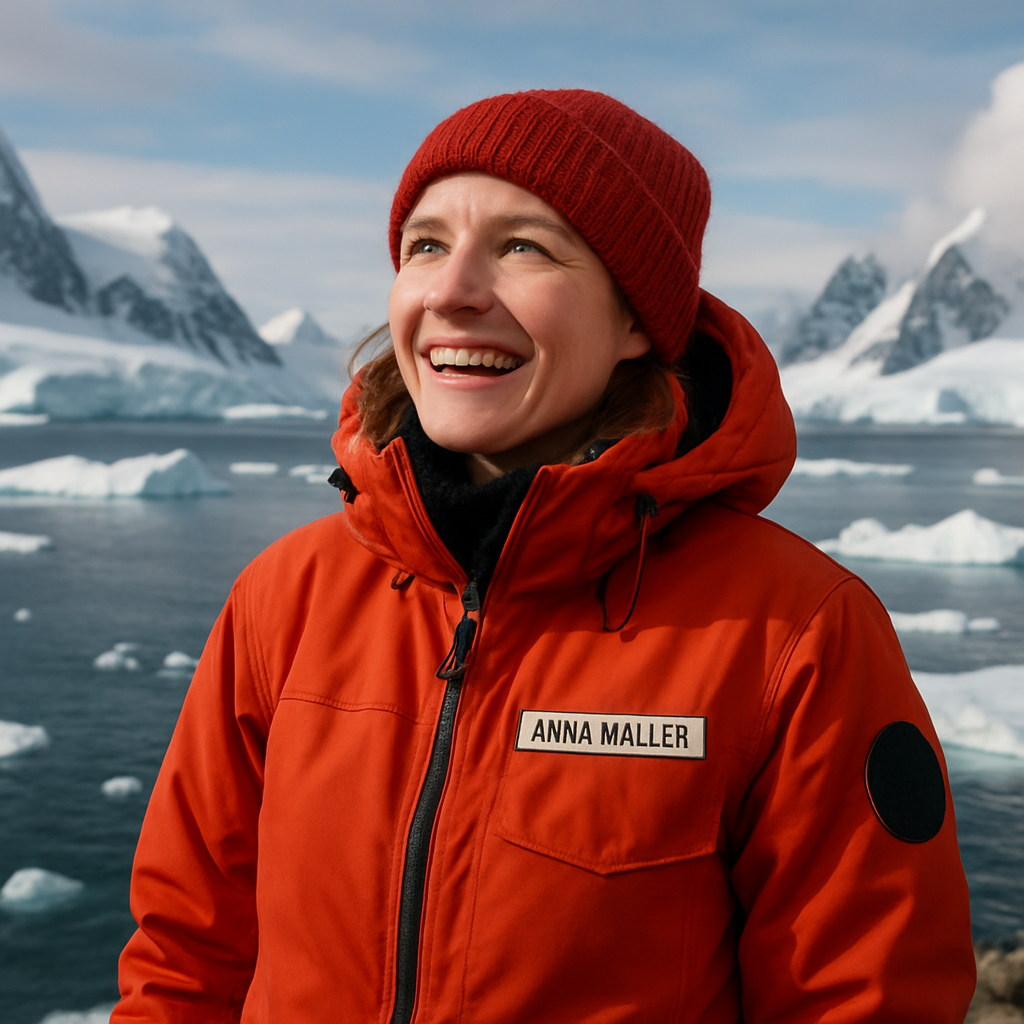
Portrait of Anna Müller smiling in a polar jacket

“Standing on the Antarctic ice, I felt both humbled and invigorated. The silence, the light, and the wildlife are beyond words. A truly life-changing experience!”

Anna Müller
Wildlife Photographer
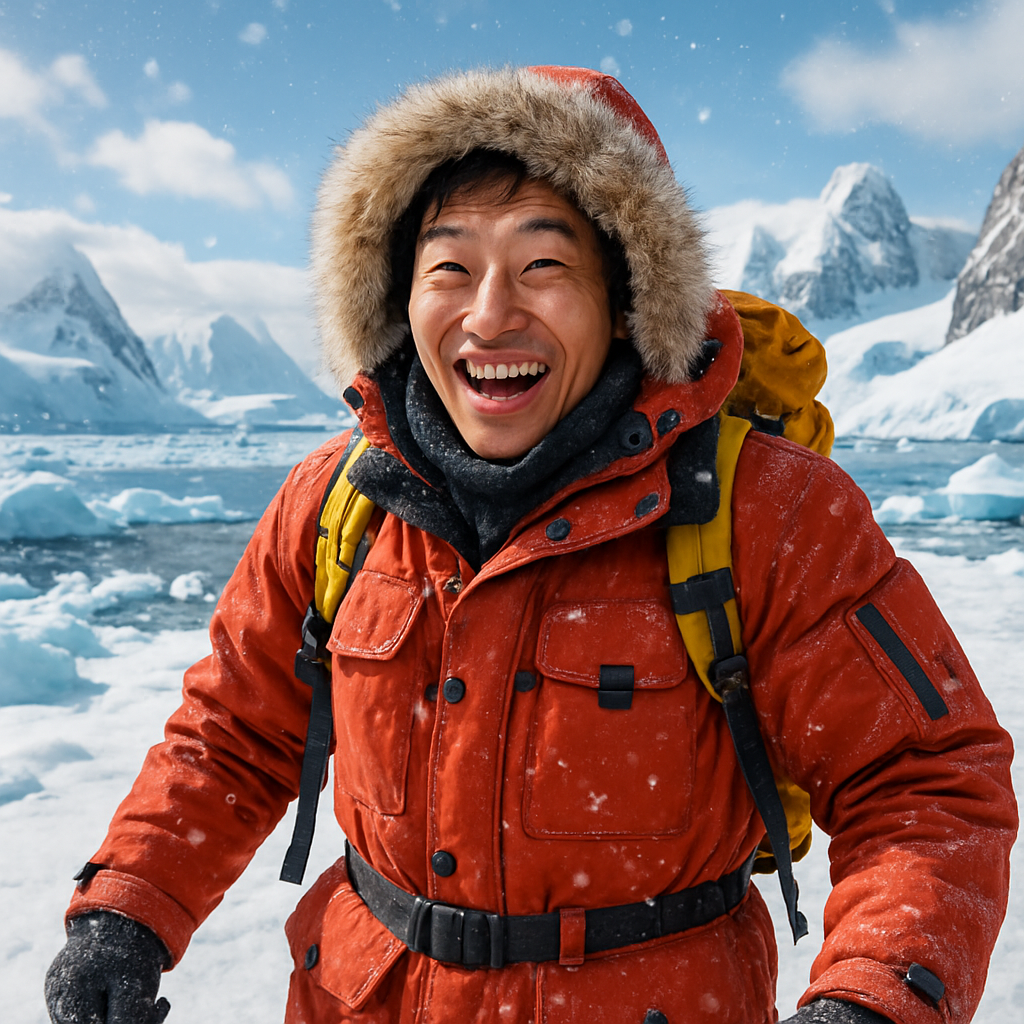
Liam Chen looking adventurous against a snowy backdrop

“Every moment in Antarctica felt like an adventure from another world. The vastness, the blue icebergs, and the penguin colonies were unforgettable!”

Liam Chen
Expedition Leader
Sophia Williams smiling warmly with Antarctic landscape

“Antarctica’s beauty is raw and pristine. I saw whales breach at sunrise and walked among ancient glaciers. It inspires me to protect our planet’s wild places.”

Sophia Williams
Conservationist